



Flags On House: The Essential Guide for Homeowners 2025
Flags on house are more than decoration—they are a powerful expression of identity, celebration, and pride. As UK homeowners look ahead to 2025, understanding how to display the right flag can create a welcoming atmosphere while meeting evolving legal requirements.
This essential guide provides everything you need to know, from the latest UK flag laws to choosing the perfect design and ensuring proper maintenance. Discover the meaning behind popular flags, step-by-step installation tips, etiquette, and new trends in personalisation.
Ready to make a statement? Explore expert strategies for flying your flag with confidence and style.
Understanding UK Flag Laws and Regulations in 2025
Displaying flags on house properties is a proud tradition, but it comes with legal responsibilities. In 2025, new rules and updates make it vital for homeowners to stay informed. This section breaks down everything you need to know about the laws, permissions, and practicalities for flags on house settings, so you can fly your flag with confidence and avoid costly mistakes.
Key UK Legislation Governing Flags on Houses
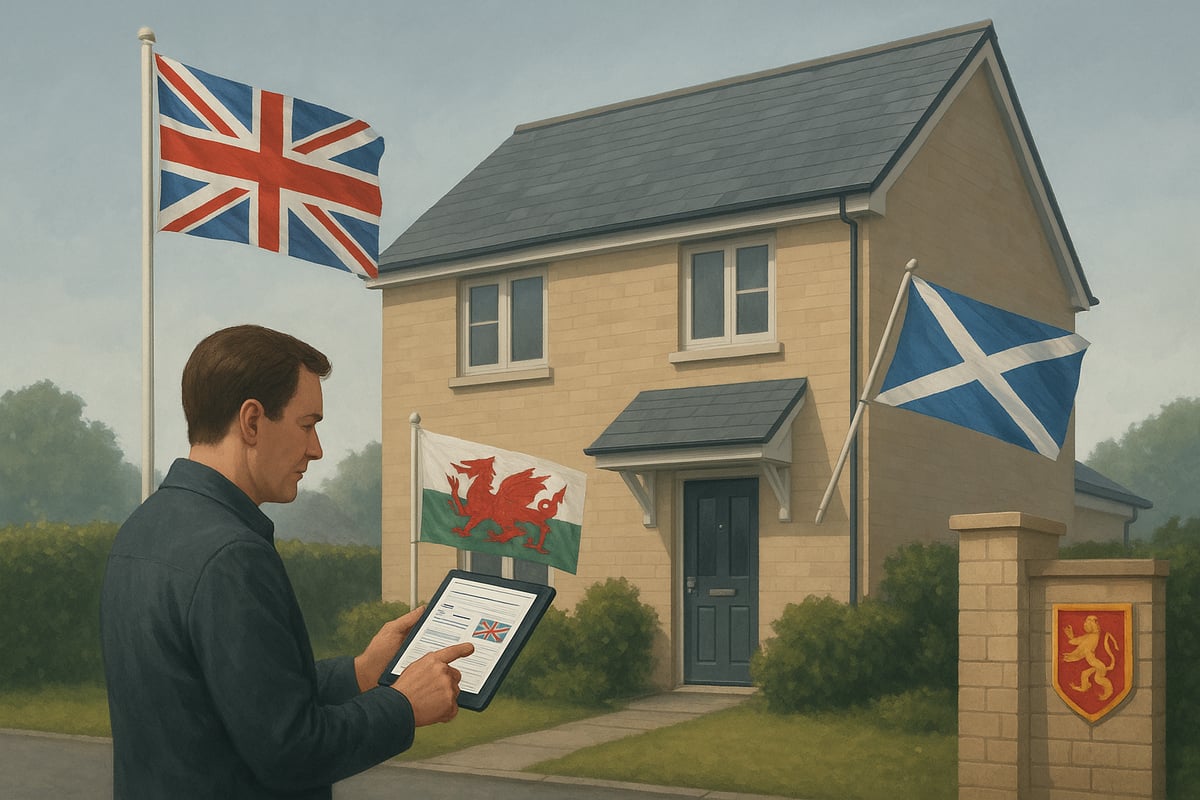
The main law governing flags on house properties is the Town and Country Planning (Control of Advertisements) Regulations. In 2025, updates have clarified which flags need consent, introduced new allowances for heritage and community flags, and increased fines for breaches.
There is a clear distinction between flags you can fly without permission and those requiring formal consent. Local councils can set extra rules, so it is important to check with your local planning authority before installing flags on house exteriors. Staying updated with these regulations ensures compliance and helps avoid unnecessary penalties.
Flags You Can Legally Fly: Permitted and Restricted Flags
Homeowners have the right to display certain flags on house premises, including the Union Flag, St George’s Cross, Saltire, Red Dragon, and regional, county, or community flags. Flags of international organisations and historic flags are generally permitted, provided they do not contain offensive or commercial content.
Some flags are strictly banned, such as those used for unauthorised advertising or containing offensive symbols. For a comprehensive list of restricted and illegal flags, refer to Flags illegal to fly in the UK. Understanding these distinctions is crucial for lawful and respectful flags on house displays.
Planning Permission: When Is It Needed?
Planning permission for flags on house locations is required when displaying certain types of flags, or if you plan to install a large or multiple flagpoles. For instance, commercial flags or oversized installations need approval. Case studies show that homeowners have faced fines for failing to secure the correct permissions.
If unsure, always contact your local authority. The application process usually includes submitting details of your flag and pole, with typical timelines ranging from two to eight weeks. Ensuring compliance before flying flags on house premises prevents legal complications.
Flag Size, Placement, and Height Restrictions
There are strict rules about the size and placement of flags on house properties. For residential areas, the maximum flag size is typically 2 square metres, and flagpoles should not exceed 4.6 metres in height. Poles can be mounted on roofs, walls, or gardens, but must be positioned safely and not obstruct neighbours’ views.
Safety is paramount when installing flags on house exteriors. Always use secure fixings and consider wind load. Consulting guidance on correct placement helps maintain good neighbour relations and keeps your display within the law.
Penalties and Enforcement
Breaching flag regulations for flags on house properties can lead to penalties, with fines ranging from £100 to several thousand pounds depending on the offence. Local authorities are responsible for enforcement and may issue warning notices or require immediate removal of non-compliant flags.
If a dispute arises, homeowners can appeal through their council’s complaints process. Resolving issues amicably and following the correct steps protects your right to display flags on house premises while maintaining compliance with UK law.
Choosing the Right Flag for Your Home
Selecting the perfect flags on house is both an art and a reflection of your values. Whether you want to make a bold statement, mark a special occasion, or simply add a splash of colour to your property, the right choice enhances your home's personality.
When choosing flags on house, consider not only aesthetics but also UK flag laws, durability, and how well a flag expresses your identity. Let us explore the essential factors to help you make a confident, informed decision.
Types of Flags for Homeowners
Homeowners today have a diverse range of flags on house from which to choose. Popular types include:
- National and regional flags: Union Flag, St George's Cross, Saltire, Red Dragon, and more.
- Heritage and community flags: County, city, or community banners.
- Decorative and seasonal flags: Festive, floral, or themed designs for events like Remembrance Day, Pride, or royal celebrations.
- Sports and supporter flags: Celebrate your favourite team or athlete.
- Custom flags: Personal emblems, family crests, or bespoke artwork.
Trends for 2025 show a surge in eco-friendly materials and double-sided prints, reflecting homeowners' growing desire for sustainability and impact. With so many options, choosing flags on house can be a unique way to showcase what matters most to you.
Flag Materials: Durability and Weather Resistance
Material choice is crucial when selecting flags on house. The UK climate demands robust flags that can withstand wind, rain, and sunlight. Here is a quick comparison:
| Material | Durability | UV Resistant | Waterproof | Eco Option |
|---|---|---|---|---|
| Polyester | High | Yes | Yes | Sometimes |
| Cotton | Moderate | No | No | Yes |
| Linen | Moderate | Yes | No | Yes |
| Recycled | High | Yes | Yes | Yes |
Polyester remains the most durable for flags on house, often lasting up to 12 months in exposed locations. Eco-friendly variants now offer similar strength with less environmental impact.
Sizing and Proportion Guidelines
Getting the right size for flags on house is vital for both safety and visual appeal. As a rule of thumb, a flag should be at least a quarter the height of your flagpole. For wall-mounted flags, smaller proportions work best to avoid overpowering your façade.
- Pole-mounted flags: Standard size is 5ft x 3ft for most homes.
- Wall-mounted flags: 3ft x 2ft is generally suitable.
- Garden flagpoles: Adjust size based on available space.
Always check that your chosen flags on house comply with local restrictions regarding maximum flag and pole size.
Colour, Symbolism, and Personalisation
Colours and symbols on flags on house carry deep meaning. Red evokes courage and sacrifice, blue stands for loyalty and peace, while white symbolises honesty and integrity. National and regional flags come with their own traditions, but personalisation is increasingly popular.
Options for customisation include:
- Family crests or coats of arms
- Initials or house names
- Unique artwork or commemorative motifs
These bespoke touches ensure your flags on house tell your personal story while respecting tradition.
Where to Buy or Commission Flags
You can source flags on house from high street retailers, specialist flag makers, or online marketplaces. Each has its pros and cons:
- High street retailers: Quick availability, but limited custom options.
- Specialist makers: Superior quality, full personalisation, and expert advice.
- Online marketplaces: Wide selection, but variable quality.
When buying, always check fabric quality, print durability, and supplier reputation. For those seeking guidance on etiquette or regulations, resources like the Flying flags: a plain English guide can be helpful.
Custom Flag Solutions by Flag Studio
For homeowners wanting one-of-a-kind flags on house, Flag Studio offers tailored solutions. Choose from stitched or printed flags, designed for personal, ceremonial, or decorative use.

Flag Studio creates every flag in the UK, using eco-friendly materials and ethical practices. Single-unit orders are welcome, so you do not need to buy in bulk. Collaborate with their design team to create a flag that perfectly captures your home's character.
A bespoke flag can be a lasting symbol of your family's heritage or a creative expression of your values. With expert support, your flags on house will stand out for years to come.
Step-by-Step Guide: Installing a Flag on Your House
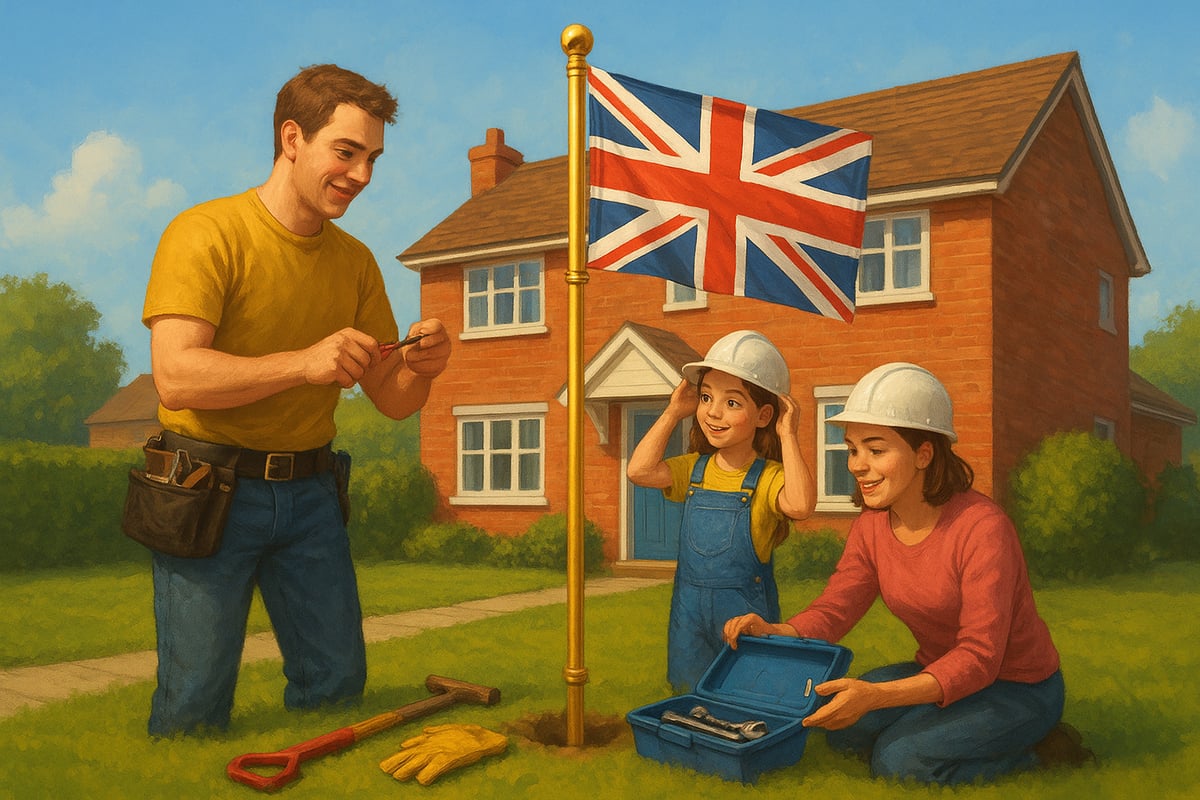
Installing flags on house is a rewarding way to show pride, mark special occasions, or express your heritage. With the right preparation and a careful approach, you can ensure your flag is displayed safely, attractively, and in line with UK regulations. This guide will walk you through each essential stage, from gathering supplies to troubleshooting common issues.
Preparing for Installation: Tools and Safety
Before putting up flags on house, preparation is vital for a smooth and safe process. Start by gathering all necessary equipment:
- Ladder with non-slip feet
- Electric drill and masonry bits
- Wall plugs and heavy-duty screws
- Spirit level
- Spanners and screwdrivers
- Safety gloves and protective eyewear
Always inspect the area where you plan to install the flagpole. Check for overhead wires, loose bricks, or other hazards. If working at height, ensure your ladder is stable and positioned on even ground. Never attempt to fit flagpoles alone. Ask someone to assist, especially when handling long poles or using power tools.
Assess your property’s structure. Brick, stone, and timber walls require different fixings. For garden installations, check for underground utilities before digging. Thoughtful preparation sets a strong foundation for displaying flags on house safely and confidently.
Selecting and Installing a Flagpole
Choosing the right flagpole is crucial for the safe and long-lasting display of flags on house. There are three main types:
| Type | Location | Best Material |
|---|---|---|
| Wall-mounted | Walls, facades | Aluminium, fibreglass |
| Ground-mounted | Gardens, lawns | Aluminium, wood, fibreglass |
| Roof-mounted | Roof ridges | Aluminium, stainless steel |
Consider your property’s style and exposure to wind. Aluminium poles are lightweight and rust-resistant, while fibreglass offers flexibility and strength. Wooden poles suit traditional homes but need regular treatment.
Select a pole height and diameter that suits your flag size and space. For most houses, a 2-3 metre pole works well. Ensure the pole is not so tall it becomes unstable or overshadows your property. The right pole enhances curb appeal and ensures flags on house remain secure in all weathers.
Mounting the Flagpole: Step-by-Step
Proper mounting is essential for the safe display of flags on house. Follow this step-by-step guide:
- Measure the mounting point, ensuring it is high and clear of obstructions.
- Mark drill holes using a spirit level for accuracy.
- Drill holes to the correct depth for your wall plugs or fixings.
- Insert plugs, then fix the mounting bracket with heavy-duty screws.
- For garden installations, dig a hole at least 50cm deep. Use concrete to secure the ground sleeve for the pole.
- Once brackets or sleeves are set, slide in the pole and tighten all fastenings.
- Check the pole is vertical using a spirit level.
- Test the stability by gently moving the pole. There should be no wobble.
Weatherproof all fixings and joints for longevity. Avoid rushing or overtightening, as this can damage the wall or pole. A stable installation is key to keeping flags on house looking their best, whatever the weather.
Attaching and Raising Your Flag
Attaching and raising flags on house requires care and the correct equipment. Use strong clips or toggles to secure the flag to the halyard or pole. For wall-mounted poles, ensure the flag is free to fly and not obstructed by gutters or eaves.
If using a rope and pulley system, tie secure knots and check that the flag can be raised and lowered smoothly. For more detailed steps and visual guidance, refer to this helpful resource on how to hoist a flag at home.
Always double-check that the flag is not tangled before hoisting. A properly attached flag will fly proudly and resist strong winds, making flags on house an attractive feature year-round.
Flag Lighting and Night Display
If you wish to keep flags on house visible after dark, consider installing lighting. UK etiquette suggests flags should be illuminated if flown at night. Choose from solar-powered spotlights, LED uplighters, or wired garden lights.
Position lighting so it highlights the flag without causing glare for neighbours. Attach fixtures securely to withstand wind and rain. Aim the light at the flag’s centre to ensure it is fully visible from the street.
Regularly check bulbs and solar panels to maintain brightness. Thoughtful lighting allows flags on house to remain a symbol of pride, even after sunset.
Troubleshooting Common Installation Issues
Even with careful planning, problems can arise when installing flags on house. Here are solutions to frequent challenges:
- Leaning poles: Recheck ground fixings or brackets for tightness.
- Loose brackets: Use stronger wall plugs or longer screws.
- Tangled flags: Shorten the halyard or use anti-tangle clips.
- High winds: Lower the flag in extreme weather or invest in heavy-duty poles.
- Storm damage: Inspect for cracks, bends, or fraying, and repair promptly.
If issues persist, consult a professional installer for advice. Addressing problems quickly ensures your flags on house remain safe, attractive, and compliant with regulations.
Flag Etiquette and Best Practices for Homeowners
Displaying flags on house properties is a tradition steeped in respect and symbolism. Homeowners are increasingly keen to showcase their heritage, celebrate events, or simply add visual interest. However, following flag etiquette ensures your display is both lawful and dignified.
The Do’s and Don’ts of Flag Display
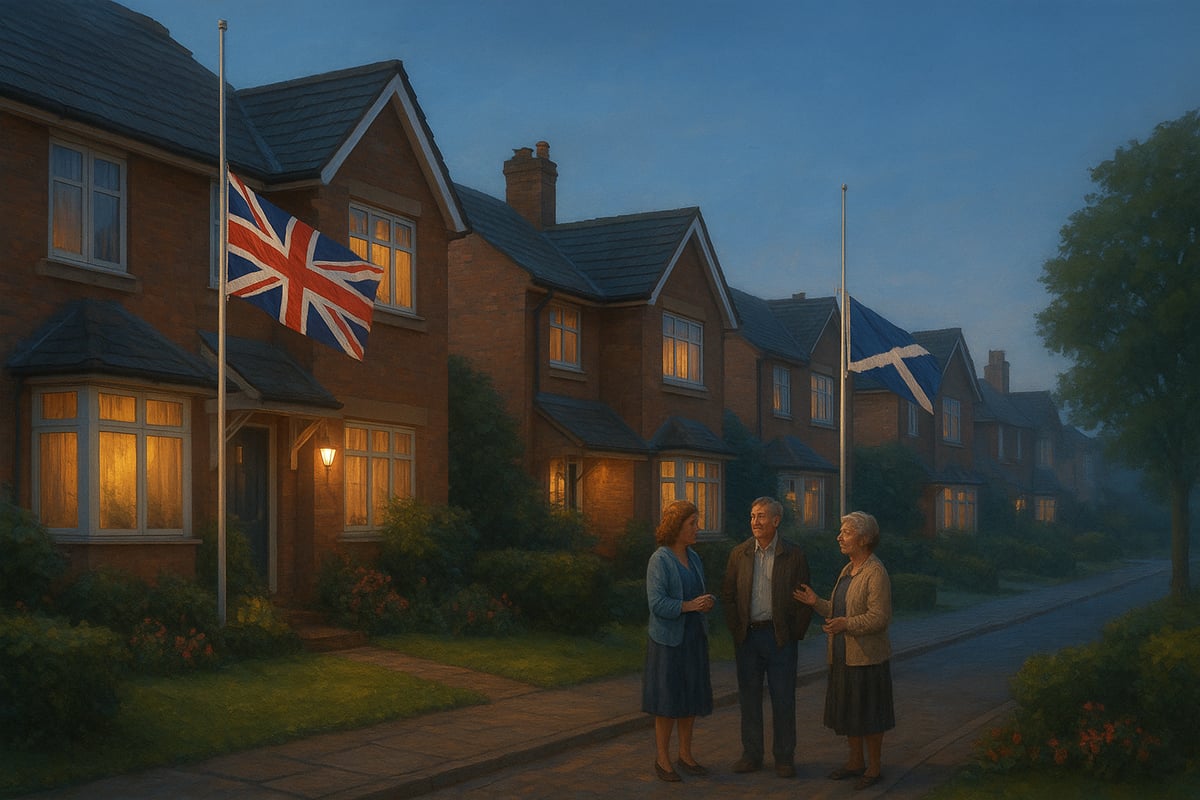
Proper etiquette for flags on house properties is essential for showing respect and avoiding legal issues. Always fly the national flag in the highest position if displaying with others, and ensure it is in good condition. Do not let the flag touch the ground or become entangled. Flags should be flown upright and never upside down, except as a recognised distress signal.
When observing national mourning, fly your flag at half-mast. Only display flags during appropriate hours unless they are properly illuminated at night. For a comprehensive overview, consult the UK flag etiquette guidelines to ensure your flags on house displays meet official standards.
Seasonal and Event-Based Flag Flying
Marking special occasions with flags on house properties brings communities together and celebrates key moments. Common events include national holidays, royal celebrations, and sporting achievements. For example, flying the Union Flag on designated days or raising a Pride flag during June shows awareness and respect for national and community values.
Rotate your flags on house for different events to keep displays relevant and engaging. Not only does this encourage neighbourly conversation, but it also adds a festive atmosphere to your street. Keeping a calendar of important dates ensures timely and meaningful flag displays.
Caring for and Storing Your Flag
Maintenance is vital for the longevity of flags on house properties. Clean flags regularly according to the fabric type, using gentle detergents for cotton and specialist cleaners for synthetic materials. Always air dry flags to prevent fading or shrinkage.
When not in use, fold your flags on house carefully and store in a dry, cool place away from direct sunlight. This prevents mould and damage. Regular inspections help spot wear early, ensuring your flags on house remain presentable and respectful for every occasion.
Neighbour Relations and Community Considerations
Displaying flags on house properties can sometimes spark discussion among neighbours. Always consider local customs and sensitivities when choosing which flags to fly. Engage with your community about your display, especially if it represents a specific cause or heritage.
Positive flag initiatives, such as coordinated displays for national celebrations, foster unity and pride. If concerns arise, address them promptly and respectfully. Flags on house should always contribute to a welcoming and inclusive environment.
Flag Disposal and Recycling
When flags on house become worn or damaged, dispose of them respectfully. Do not simply throw them in the bin. Many UK organisations offer recycling schemes or guidance on retiring flags with dignity.
Eco-friendly disposal methods include textile recycling or returning to specialist flag makers for repurposing. Retiring old flags on house in a dignified manner upholds tradition and shows respect for the symbols they represent.
Maintenance, Repairs, and Upgrades for Long-Lasting Flags
Keeping flags on house in top condition is essential for both appearance and compliance. Regular maintenance, prompt repairs, and smart upgrades will help your flag withstand the elements and remain a proud feature of your home. Let us explore the steps homeowners can take to ensure their flags on house last longer and look their best.
Routine Flag Maintenance Checklist
Establishing a maintenance routine is the foundation for keeping flags on house looking vibrant and professional. Begin by inspecting your flag weekly for dirt, fraying, and loose stitching. Address minor issues early to prevent further damage.
A typical checklist includes:
- Checking for tears and fading
- Cleaning with mild soap and lukewarm water
- Drying thoroughly before rehanging
- Inspecting pole brackets and fastenings
- Removing the flag during storms or high winds
For a comprehensive approach, review Caring for and maintaining your flag for expert advice on cleaning and storage specific to UK weather. A little attention each week helps prolong the life of flags on house and keeps them looking their best.
Repairing Damaged Flags and Poles
Even with careful maintenance, flags on house can suffer from occasional wear. If you notice small tears or frayed edges, repair them promptly with a needle and strong thread, or use an iron-on patch suitable for outdoor fabrics.
For more significant damage, such as snapped poles or broken brackets, assess whether a DIY fix is safe. Simple issues like loose screws or minor cracks can often be addressed at home. However, if your flag holds sentimental value or is a heritage piece, consider consulting a professional repair service to ensure proper restoration.
Timely repairs not only preserve the look of your flags on house but also help avoid safety hazards from unstable poles or hardware.
Weatherproofing and Protective Treatments
British weather can be unpredictable, making weatherproofing a critical step for flags on house. Choose protective sprays that offer UV resistance to minimise fading, and opt for waterproof treatments to prevent mould and mildew.
A simple table can help summarise the benefits:
| Treatment Type | Benefit | Typical Lifespan Extension |
|---|---|---|
| UV Protection Spray | Prevents colour fade | 6–12 months |
| Waterproof Coating | Stops water damage | 6–12 months |
| Fire Retardant Spray | Adds fire safety | 12 months+ |
Apply treatments according to manufacturer instructions and repeat applications seasonally. For more information, see guides on Caring for and maintaining your flag. Protecting your investment ensures flags on house remain crisp and safe in all conditions.
Upgrading Flag Accessories and Hardware
Modern hardware upgrades can make a significant difference in the durability and appearance of flags on house. Consider anti-tangle systems to prevent your flag wrapping around the pole, and opt for heavy-duty brackets for greater stability.
Other popular upgrades include:
- Decorative finials for a polished look
- Stainless steel or powder-coated fittings for corrosion resistance
- Quick-release clips for easy flag changes
Sourcing quality accessories from reputable suppliers ensures safety and longevity. Upgrading hardware not only enhances the look of flags on house but also reduces the need for frequent repairs.
When to Replace Your Flag
Knowing when to retire a flag is important for maintaining the dignity of flags on house. Signs it is time for replacement include extensive fading, frayed edges that cannot be repaired, or large tears.
The average lifespan of outdoor flags varies by material: polyester may last 6–12 months, while high-quality nylon can endure for up to two years. Plan to refresh your flags on house for special events or seasonal changes, ensuring your display always reflects pride and care.
By following these guidelines, homeowners can keep flags on house in excellent condition for years to come.
Trends and Innovations in House Flags for 2025
The world of flags on house is evolving rapidly, embracing sustainability, technology, and personalisation. In 2025, homeowners are looking for ways to express identity and values while keeping pace with new trends. Whether you are displaying a traditional national flag or a unique custom design, the latest innovations offer more choice and flexibility than ever.
Eco-Friendly and Sustainable Flag Options
Sustainability is at the forefront of flags on house trends for 2025. More homeowners are choosing flags made from recycled polyester, organic cotton, or biodegradable linen. These materials reduce environmental impact and offer impressive durability against British weather.
| Material | Eco-Friendly | Durability | Typical Lifespan |
|---|---|---|---|
| Recycled Polyester | Yes | High | 18-24 months |
| Organic Cotton | Yes | Medium | 12-18 months |
| Biodegradable Linen | Yes | Medium | 12-16 months |
UK flag makers are responding to consumer demand for ethical manufacturing. Brands now highlight transparent sourcing and green packaging. Choosing sustainable flags on house not only supports the planet but also signals a commitment to responsible living within your community.
Smart Flags and Tech Integration
Technology is reshaping how homeowners display flags on house. Solar-powered illuminated flagpoles are becoming mainstream, providing energy-efficient lighting for night-time displays. Some systems even offer app-controlled raising and lowering, adding convenience and a modern touch.
Innovative features include:
- Remote scheduling for flag displays
- Weather sensors for automatic lowering in high winds
- Integrated LED lighting for enhanced visibility
When adopting new tech, it is important to follow correct flag etiquette. The UK flag protocol offers guidance on respectful display, even with smart flag systems. Early adopters in the UK are showing how tradition and technology can work together, setting new standards for flags on house.
Personalisation and Creative Expression
Personalisation continues to drive the popularity of flags on house. Homeowners are ordering bespoke flags featuring family crests, initials, or artwork reflecting their heritage and passions. Artistic collaborations and limited-edition designs are also trending, allowing for maximum creative expression.
Popular personalised flag options include:
- Custom event banners for birthdays or anniversaries
- Pride and community-themed designs
- Artistic interpretations of classic symbols
With more ways to customise flags on house, residents are turning their homes into canvases that share stories and celebrate individuality. This trend is expected to grow, with more artisans and flag makers offering tailored solutions for every taste.
Now that you’re equipped with everything you need to confidently display a flag on your home—from understanding UK regulations to choosing the right design and materials—it’s time to take the next step and make your vision a reality. Whether you want to express your heritage, celebrate a special occasion, or create something uniquely yours, Flag Studio is here to help. As specialists in high quality, UK made custom flags and banners, they offer expert guidance and craftsmanship for every home. Ready to bring your ideas to life? What can we make for you today?
