


The Essential Guide to Customisable Flag Design (2025)
Flags are more than just fabric, they are powerful symbols of identity, unity, and expression. In 2025, the demand for a customisable flag has surged as events, businesses, and personal celebrations seek unique ways to stand out.
Modern technology and evolving design trends now make it easier than ever to create a flag that truly reflects your vision or organisation. A customisable flag offers an opportunity to communicate values, foster belonging, and leave a lasting impression.
This essential guide covers everything you need to know, from timeless design principles and material choices to digital tools and real-world inspirations. Start your journey towards successful custom flag design here.
Understanding the Importance of Customisable Flags
Flags have long been woven into the fabric of human history, serving as powerful emblems of identity, unity, and belief. From ancient civilisations to modern societies, the act of raising a flag has symbolised shared values and collective purpose.
Today, the customisable flag is experiencing a remarkable surge in popularity. Across the UK and globally, individuals and organisations are embracing custom designs to mark milestones, promote brands, and amplify causes. Industry reports project the custom flag market to grow by 6 percent annually through 2025, reflecting an ever-expanding appetite for personalisation.
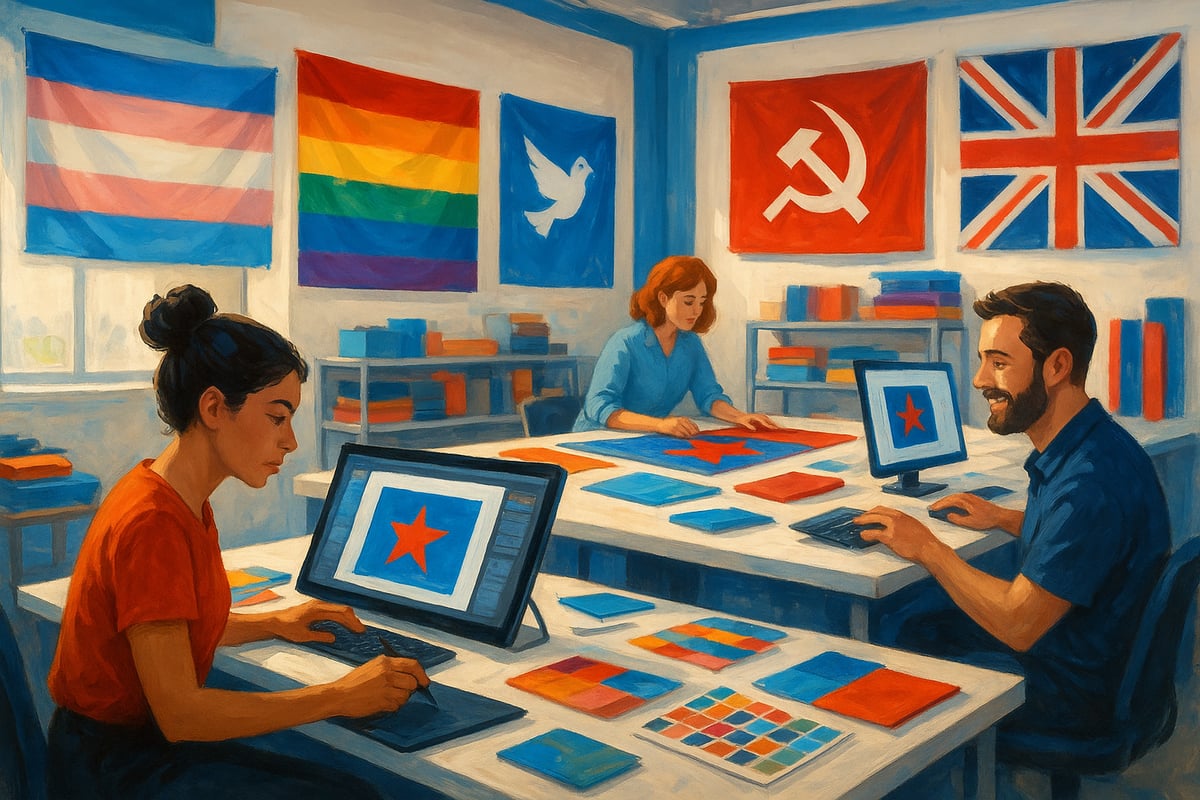
The customisable flag serves diverse roles, each one carrying unique significance. Consider the following table summarising key purposes:
| Purpose | Example |
|---|---|
| National | Union Jack |
| Corporate | Company branding flags |
| Ceremonial | University graduation banners |
| Advocacy | Pride and awareness flags |
| Sporting | Team and event banners |
| Personal | Wedding or celebration flags |
This versatility is what makes the customisable flag truly universal. Whether flown at a major sporting event or displayed at a local festival, a flag can instantly unite people under a shared message.
Design plays a crucial part in a flag's impact. Colours and symbols are selected with care, as they evoke powerful emotions and communicate meaning at a glance. For example, red often stands for courage or passion, while blue conveys peace or trust. The psychological influence of these elements ensures that a customisable flag resonates deeply with its intended audience.
As technology has advanced, so too has the process of creating a customisable flag. Digital tools allow for precise design, rapid prototyping, and seamless collaboration. This has opened the door for more people to express their identity or promote their organisation through unique flags.
Events and marketing campaigns have especially benefited from this trend. Customisable flags are now central features at concerts, charity runs, product launches, and community gatherings. Their visibility and distinctiveness make them ideal for drawing attention and fostering a sense of belonging.
Notable examples include the rainbow Pride flag, which has become a global symbol for inclusivity, and the banners seen at major football matches, rallying fans behind their teams. Businesses also leverage the customisable flag to strengthen brand presence and stand out in crowded spaces.
With the range of options available, anyone can find a customisable flag that suits their needs. For inspiration and to explore what's possible, browse the Custom and Bespoke Flags Collection, showcasing designs tailored for both individuals and organisations.
In summary, the customisable flag embodies history, innovation, and community spirit. Its growing importance in 2025 reflects a world eager to celebrate identity, communicate values, and connect people through memorable symbols.
Key Principles of Effective Flag Design
Designing a customisable flag is both an art and a science. Whether for a national event, a business, or a personal celebration, effective flag design ensures your message is clear, memorable, and impactful. Understanding these foundational principles will set your customisable flag apart and help it stand the test of time.
Simplicity and Memorability
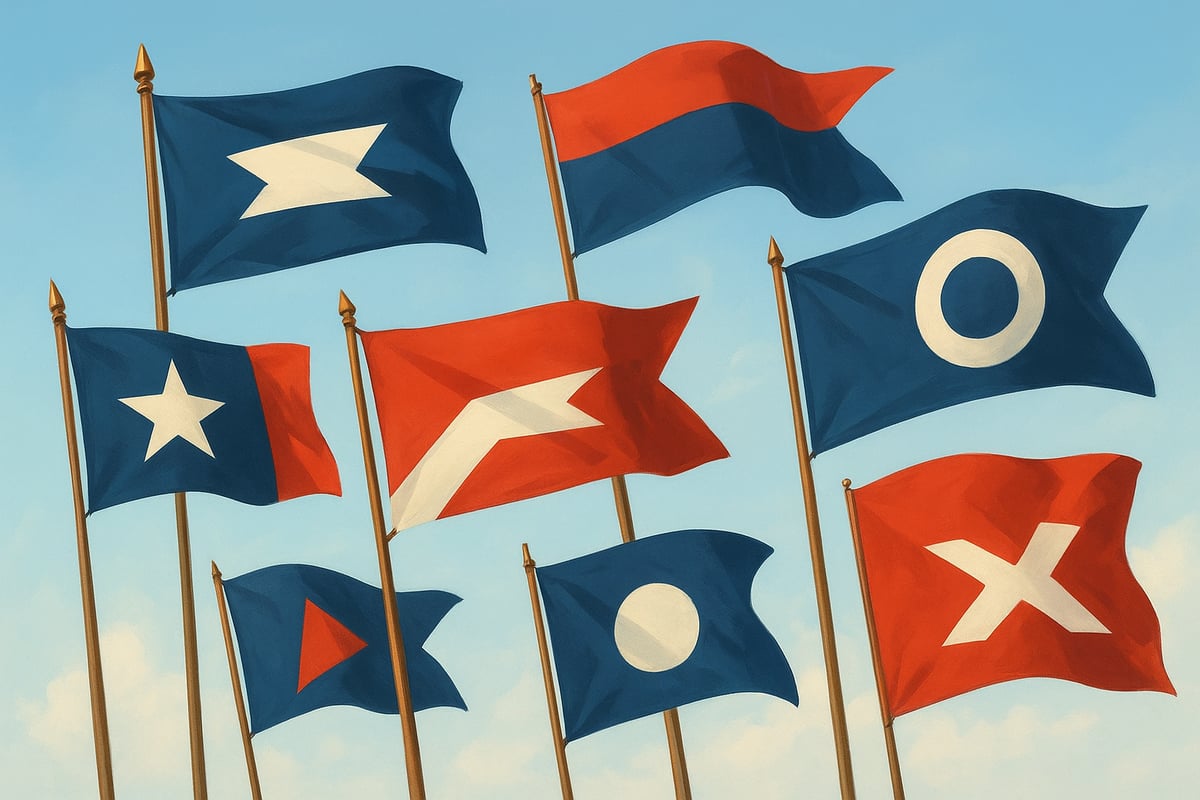
When it comes to designing a customisable flag, simplicity is key. The most recognisable flags in the world, like the Union Jack or the Japanese flag, rely on bold, uncomplicated elements. Simple designs make a flag easy to identify, even from a distance or when fluttering in the wind.
Studies by the Flag Institute show that viewers recall simple flag designs much more easily than complex ones. This is crucial for a customisable flag, as you want instant recognition at events or in branding. Avoid excessive detail or clutter, which can confuse the message and reduce visual impact.
Consider the following when aiming for simplicity:
- Use two or three strong colours.
- Limit text or small graphics.
- Choose a single, clear symbol if needed.
For more in depth guidance, consult the Guiding Principles of Flag Design, which provide expert advice on what makes flag designs effective and memorable.
Symbolism and Colour Theory
A customisable flag should tell a story through its symbols and colours. Every element must serve a purpose and communicate meaning. Think about what your flag represents. Is it unity, courage, peace, or a particular cause?
Colour psychology plays a vital role in flag design. Red often symbolises bravery or strength, while blue suggests peace and stability. Green might stand for growth or the environment. Selecting the right palette ensures your customisable flag resonates with your intended audience.
Remember to:
- Respect cultural sensitivities, as colours have different meanings globally.
- Use high contrast for visibility.
- Align symbols with your organisation’s values or event theme.
Successful flags, such as Pride banners or charity flags, use bold colours and clear symbolism to unite communities and spark recognition.
Proportion, Layout, and Readability
Proportion and layout directly affect the visual balance of a customisable flag. Most flags use standard ratios, such as 2:3 or 1:2, to maintain harmony and ensure the design looks appealing at any size.
Clear layouts help each element stand out. Avoid overcrowding, and position symbols or text so they remain legible from a distance. For example, Olympic flags follow strict proportion guidelines, resulting in consistent and easily recognisable designs worldwide.
Key considerations for layout:
- Keep margins around the edges for a clean look.
- Arrange elements symmetrically or in a deliberate pattern.
- Test your customisable flag at various scales to ensure readability.
A well proportioned flag is both attractive and functional, making it suitable for any setting, indoors or outdoors.
Adaptability for Digital and Physical Use
A modern customisable flag needs to work across multiple platforms, from printed banners to digital graphics. Designing with adaptability in mind ensures your flag looks great on websites, social media, and physical displays.
Use vector graphics to guarantee crisp lines and scalability. This allows your customisable flag to be resized without losing quality. Responsive design is also important, especially if you plan to promote your flag online or use it in digital marketing campaigns.
Consider these best practices:
- Save artwork in formats like SVG, AI, or PDF.
- Preview your flag on different backgrounds and devices.
- Ensure all details remain visible, even at small sizes.
By following these principles, your customisable flag will shine in both real world and digital environments, supporting your message wherever it appears.
Step-by-Step Guide to Designing Your Custom Flag
Designing a customisable flag is a creative journey that blends vision, symbolism, and practical choices. Whether you are representing a business, marking a special event, or expressing personal identity, following a structured process ensures your flag stands out and communicates your message clearly.
Step 1: Define the Purpose and Audience
Every successful customisable flag begins with a clear purpose. Ask yourself: Is this flag for a corporate event, a community celebration, personal branding, or a ceremonial occasion? Understanding the intended use will shape every design decision.
Identify your audience. Are you appealing to local residents, employees, sports fans, or a global audience? Consider what values, colours, and symbols resonate with them. Gathering references from existing flags, corporate branding, or cultural motifs can help spark ideas.
Clarifying these basics ensures your customisable flag is not just visually striking but also meaningful. This foundational step lays the groundwork for a design that truly connects with its viewers and stands the test of time.
Step 2: Choose the Right Shape and Size
The shape and size of your customisable flag play a major role in its visual impact and practicality. Popular shapes include rectangles, pennants, swallowtails, and gonfalons. Each conveys a different mood and suits particular settings.
When selecting size, consider where the flag will be displayed. Outdoor flags often require larger dimensions for visibility, while indoor or handheld flags can be more compact. Standard sizes exist, but custom dimensions are available to suit unique needs.
Local regulations or event guidelines may dictate minimum or maximum sizes. By matching the shape and size to your purpose and location, you ensure your customisable flag makes the right impression and functions as intended.
Step 3: Select Colours and Symbols
Choosing colours and symbols is where your customisable flag gains its identity. Apply colour theory to evoke the right emotions—red for energy, blue for peace, green for growth. Symbols and icons must align with your message and be easily recognisable.
Contrast is crucial. Ensure text or symbols stand out against the background, especially from a distance. Accessibility considerations, such as colour blindness, should inform your palette choices.
Research cultural meanings to avoid unintended messages. For instance, white symbolises peace in some contexts but mourning in others. By thoughtfully selecting elements, your customisable flag will communicate its intent with clarity and impact.
Step 4: Draft the Design
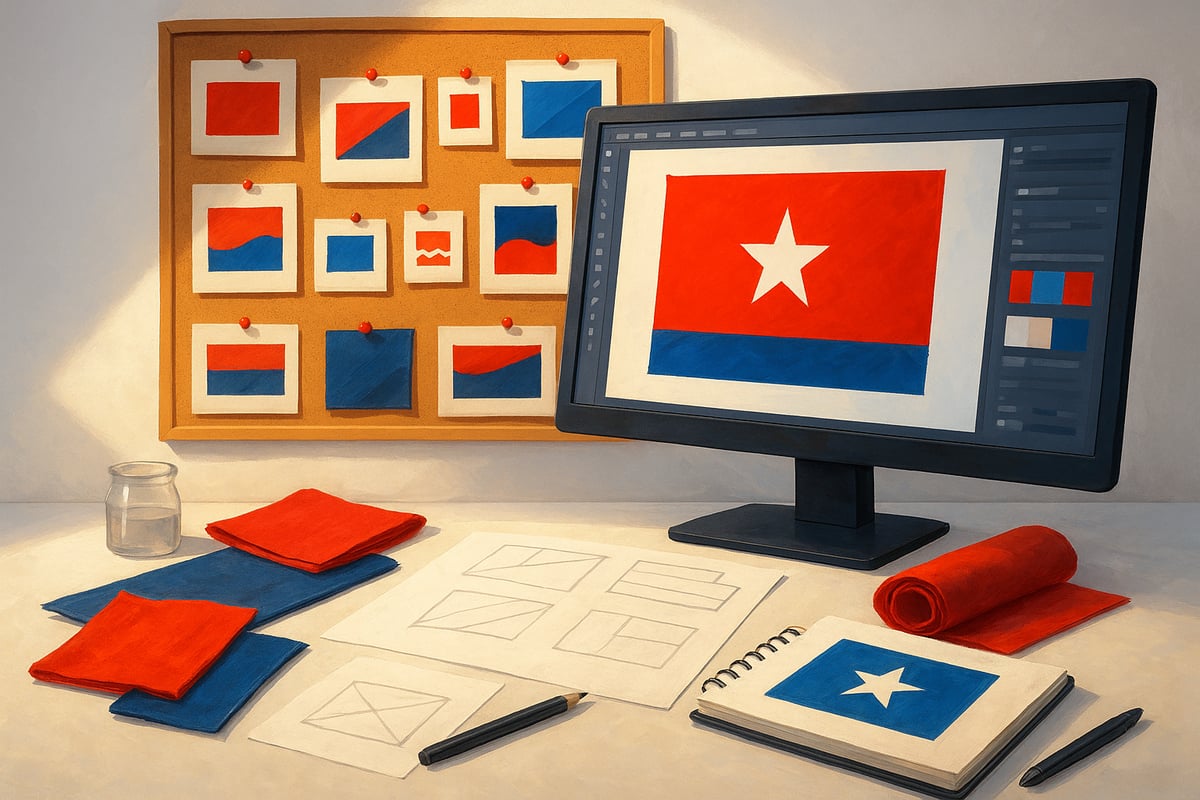
Start by sketching initial concepts, either on paper or using digital tools. Experiment with layouts, balancing elements to avoid clutter. Use flag design templates and grids to keep proportions harmonious.
Gather feedback from others, especially stakeholders or intended audience members. Iteration is key—refine your design based on constructive input.
For detailed guidance on artwork preparation and best practices, consult resources like the Flag Design and Artwork Guide. This step is essential for translating ideas into a polished customisable flag that is ready for production.
Step 5: Finalise and Digitise the Artwork
Once you have a concept you are happy with, create a high-resolution or vector version. Preferred file formats for customisable flag production include SVG, AI, EPS, and PDF. These ensure your design scales perfectly at any size.
Work with a professional designer if needed, or use digital tools that support vector graphics. Double-check that all colours, fonts, and symbols are accurately represented. This digital master file will be used for manufacturing, so attention to detail is vital.
By finalising your artwork carefully, you set the stage for a customisable flag that looks sharp and professional in every application.
Step 6: Choose Materials and Production Techniques
Material selection affects the look, feel, and longevity of your customisable flag. Common fabrics include polyester, cotton, and eco-friendly blends. Each offers different strengths in terms of durability, colour vibrancy, and environmental impact.
Decide between printed and stitched (appliqué) methods. Printed flags capture detailed graphics and gradients, while stitched flags offer texture and traditional appeal. Consider the flag’s intended environment—will it face harsh weather or be displayed indoors?
Finishing treatments, such as UV protection or antifray edges, can further enhance performance. The right choices here ensure your customisable flag remains striking and resilient over time.
Step 7: Prepare for Production and Display
With your artwork and materials chosen, submit your design to a reputable manufacturer. Review digital proofs carefully, confirming all details match your vision for the customisable flag.
Select suitable accessories: flagpoles, bases, or mounting hardware, depending on how and where the flag will be displayed. For large events, consider transport and rapid setup needs.
Stay in communication with your production partner to address any last-minute adjustments. Proper preparation at this stage ensures your customisable flag arrives on time and makes a strong impression when unveiled.
Choosing the Right Materials and Manufacturing Methods
Selecting the right materials and manufacturing methods is crucial for creating a customisable flag that stands out and lasts. Your choice directly affects the flag’s appearance, durability, and environmental impact. With a growing focus on sustainability and innovation in 2025, understanding these options is more important than ever.
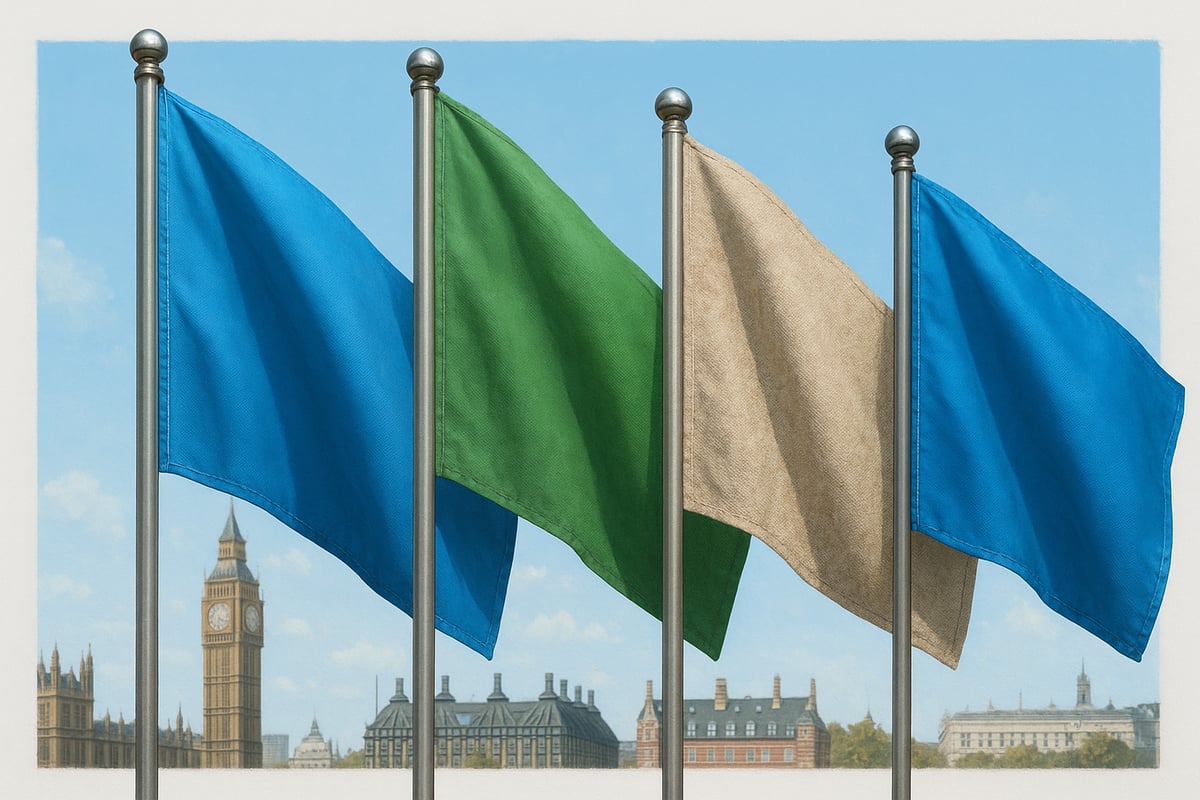
Comparing Popular Flag Fabrics
Choosing the fabric for your customisable flag depends on where and how it will be used. Each material brings unique qualities, from cost and feel to how well it withstands the elements. Below is a summary of the most popular options:
| Fabric | Durability | Appearance | Cost | Environmental Impact |
|---|---|---|---|---|
| Polyester | High | Vibrant | Low | Moderate |
| Nylon | Medium | Glossy | Medium | Moderate |
| Cotton | Medium | Classic | Medium | Lower |
| Linen | Low | Textured | High | Low |
Polyester remains the most popular for outdoor customisable flag projects. It is lightweight, dries quickly, and holds colour well. Nylon offers a glossy finish and is ideal for bright, vibrant designs but is less robust in harsh weather. Cotton and linen are favoured for ceremonial or indoor flags, providing a traditional look and feel.
Printed vs. Stitched Flags
The manufacturing method you choose affects the flag's style and longevity. Printed flags use digital or screen printing to apply designs directly onto the fabric. This approach is excellent for complex graphics, gradients, or photographic images on a customisable flag. Stitched, or appliqué, flags feature cut fabric pieces sewn together, creating a textured, high-quality finish that stands up to long-term use.
For a detailed comparison of these methods, including when to choose each, you might find the Print or Stitch Flag Methods guide especially helpful. It outlines the strengths and best applications for both techniques, ensuring your customisable flag matches your vision.
Eco-Friendly and Sustainable Options
Sustainability is a major trend for 2025. Eco-friendly fabrics, such as recycled polyester or organic cotton, are increasingly requested for customisable flag orders. According to recent industry surveys, 40 percent of UK clients now opt for these greener alternatives. These materials reduce environmental impact without sacrificing quality or vibrancy.
When choosing an eco-friendly customisable flag, also consider the manufacturing process. Water-based inks, energy-efficient production, and responsible sourcing contribute to a truly sustainable product.
Special Treatments and Finishing Options
To enhance durability and performance, flags can be treated with fire retardant coatings, UV protection, or antifray edges. These treatments are especially valuable for outdoor or high-traffic settings, ensuring your customisable flag stays vivid and intact.
Finishing options are just as important. Common choices include:
- Eyelets (grommets) for easy hanging
- Rope and toggle for traditional mounting
- Sleeves for pole insertion
- Double-stitched seams for extra strength
These details help tailor your customisable flag for its intended purpose, whether for a windy sports event or a dignified indoor ceremony.
Real-World Examples: Outdoor vs. Indoor Flags
Outdoor event flags, such as those used at festivals or rallies, typically rely on polyester for weather resistance and printed designs for visual impact. Indoor ceremonial banners, on the other hand, often feature stitched crests and are made from cotton or linen for an elegant, timeless appearance.
The versatility of the customisable flag ensures it can adapt to any application, from marketing to community celebrations. By paying attention to materials and methods, you guarantee the flag not only looks impressive but also stands the test of time.
Leveraging Digital Tools and Trends in Flag Design (2025)
The world of customisable flag design is evolving rapidly, thanks to digital innovation. In 2025, designers and organisations have access to tools and trends that make creating a customisable flag easier, more efficient, and more engaging than ever. From online platforms to AI-powered automation, technology is reshaping how we approach every stage of the flag design process.
Online Design Platforms and Software
Today, online platforms have democratised customisable flag design. Tools like Canva, Adobe Illustrator, and specialist vexillology apps provide accessible interfaces for both beginners and professionals. These platforms offer a range of templates, drag-and-drop features, and customisation options that make it simple to create a striking customisable flag.
Many online tools now support real-time collaboration. Teams can work together on a design, leave feedback, and iterate quickly, even if members are in different locations. This collaborative approach streamlines the approval process and helps ensure the final customisable flag meets everyone's vision.
Templates are a game-changer for efficiency. Users can browse a library of layouts, adjust colours, and add their own symbols or logos. These features help maintain consistency, especially for organisations creating multiple flags for events or branding.
AI and Automation in Custom Flag Creation
Artificial intelligence is transforming how designers approach the customisable flag process. AI algorithms can suggest colour palettes, generate design ideas, and even recommend symbols based on the flag's intended message. This speeds up brainstorming and helps spark creativity, especially for users who might feel stuck.
Automated proofing tools are another major advantage. AI can scan a design for errors, check for proper contrast, and ensure the customisable flag will be legible from a distance. This reduces the risk of costly mistakes and improves overall quality.
On a larger scale, AI-powered personalisation allows companies to produce many unique flags at once, each tailored to individual preferences. This mass customisation is increasingly popular for festivals, sports events, and corporate campaigns.
Virtual Previews and Augmented Reality
Virtual previews are now a standard part of the customisable flag design journey. Augmented reality (AR) tools enable users to visualise their flag in real-world settings before production begins. For example, event planners can use AR to see how a customisable flag will look at a festival entrance or outside a business.
This immersive experience helps identify potential design issues early. It also allows stakeholders to make informed decisions about size, placement, and overall impact. AR previews are especially valuable for large-scale displays, where accurate visualisation is critical.
Social Media and Digital Marketing Integration
A customisable flag is not just for physical display, it is also a powerful digital asset. Designers now optimise flags for online sharing, ensuring they look great on social media platforms and websites. This includes creating versions that fit different aspect ratios and screen sizes.
Flag unveilings and hashtag campaigns generate buzz and engagement. Organisations use social media to gather feedback, run design contests, and showcase the story behind their customisable flag. Monitoring likes, shares, and comments provides valuable insights into what resonates with audiences.
Sustainability and Ethical Considerations in 2025
Sustainability is a growing priority in customisable flag production. Digital tools help designers calculate the environmental footprint of their choices, from material selection to manufacturing methods. Many now opt for recycled fabrics or eco-friendly inks to reduce impact.
Ethical manufacturing is also under the spotlight. Consumers increasingly demand transparency about sourcing and production. For those interested in green practices, exploring the Environmental Sustainability Policy offers insight into how UK manufacturers are leading the way in sustainable customisable flag solutions.
As technology continues to advance, the possibilities for customisable flag design in 2025 are nearly limitless. Embracing these digital tools and trends ensures your flag is not only visually compelling but also future-ready.
Real-World Inspirations: Notable Custom Flag Projects
The last few years have seen a surge in demand for the customisable flag, as communities, schools, and sports teams seek unique visual identities. From major events to local initiatives, customisable flag projects have captured imaginations and helped groups stand out at UK events post-pandemic. By examining real-world examples, you can see how the right flag design transforms gatherings, strengthens unity, and celebrates diversity.
Community-Driven Pride Flags
One of the most inspiring uses of the customisable flag has been in the creation of community-driven Pride flags. In 2023, several UK cities introduced new designs to represent local LGBTQ+ communities. These projects invited public input, allowing residents to submit symbols and colour ideas that reflected their unique stories.
Workshops and online polls helped ensure that the final flags resonated with the people they represented. The process not only resulted in visually striking banners but also built a deeper sense of belonging. Many organisers found that a customisable flag could become a powerful tool for advocacy and inclusion, uniting diverse voices under a single symbol.
University Banners and Academic Identity
Universities across the UK have also embraced the customisable flag as a key part of their visual identity. In 2024, several institutions launched new banners for graduation ceremonies, open days, and sporting events. These flags often featured updated crests, modern colour palettes, and subtle references to the university’s history.
A notable example is the University of Manchester’s student-led banner redesign, which incorporated feedback from faculty, alumni, and students. The result was a flag that balanced tradition with contemporary appeal, making it instantly recognisable on campus and across digital platforms. This case highlights how a customisable flag can foster pride and unity within academic communities.
Sports Team Rebrands and Fan Engagement
Sports clubs have long understood the importance of a customisable flag in building fan loyalty and team spirit. From football to rugby, teams across the UK have recently unveiled new flags as part of broader rebranding efforts. These projects often involved collaboration between professional designers and supporters.
For instance, in 2025, a prominent London football club worked with fans to create a customisable flag that celebrated both the team’s heritage and its forward-looking ambitions. The design process emphasised simplicity and symbolism, drawing on principles outlined in Good Flag, Bad Flag: How to Design a Great Flag. The resulting flag became a fixture at matches and on social media, helping to energise the fan base.
What Makes a Customisable Flag Project Successful?
Successful customisable flag projects share several key qualities:
- Clarity of design: Simple elements and strong colours ensure instant recognition.
- Meaningful symbolism: Icons and patterns reflect the group’s values or history.
- Community involvement: Input from stakeholders leads to greater acceptance.
- Adaptability: Designs work well both offline and online.
According to event industry reports, the use of customisable flag displays at UK events has risen sharply since 2022, with organisers noting increased engagement and positive feedback from attendees.
Lessons Learned and Inspiration for Your Own Flag
Whether you are organising a local event or leading a major rebrand, the customisable flag offers endless possibilities for creative expression. Interviews with flag designers reveal that the most memorable flags start with a clear message and evolve through open collaboration.
Drawing inspiration from recent projects, remember to:
- Involve your community in the design process.
- Focus on simplicity and symbolism.
- Test your flag in different settings for visibility and impact.
- Stay true to your organisation’s story and values.
By learning from these real-world examples, your customisable flag can become a lasting symbol of identity and pride.
After exploring the ins and outs of custom flag design, you can see just how much thought and creativity goes into crafting a flag that truly stands out—whether for your business, community event, or personal milestone. At Flag Studio, we’re passionate about bringing your ideas to life with expert guidance, high quality materials, and full UK-based production. Whatever your vision, we’re ready to help you turn it into a symbol you’ll be proud to display. Ready to start your own custom flag journey? What can we make for you today?
